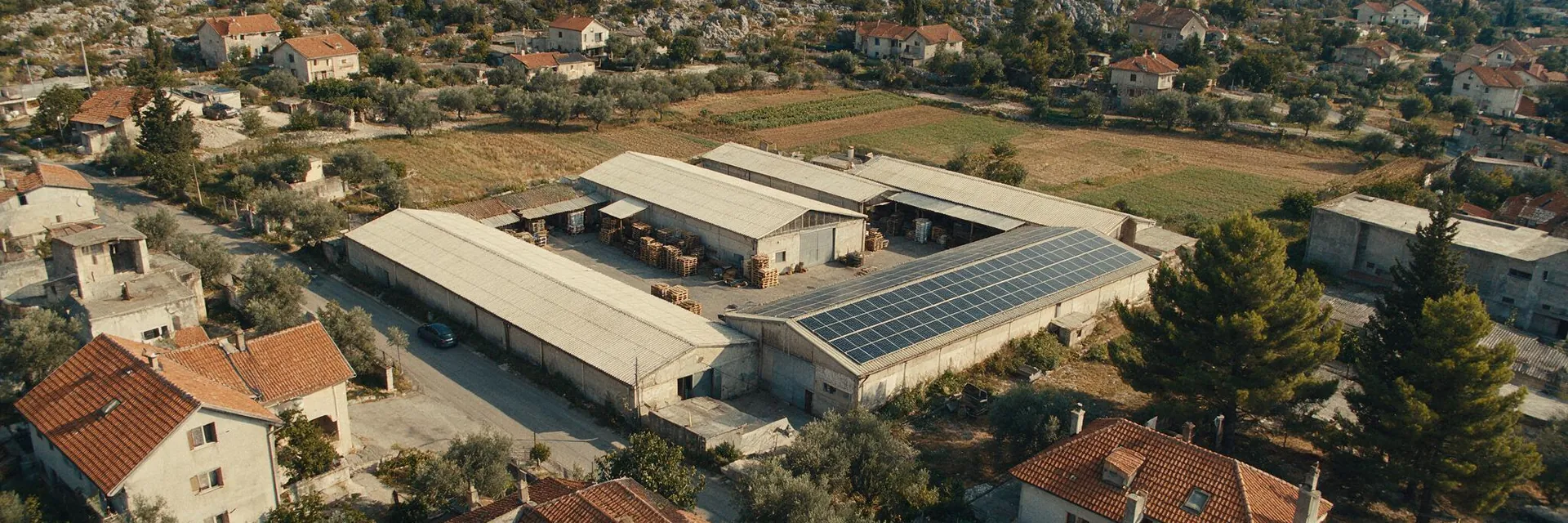
For business
Commercial solar, by sector
For a business the decision is not about the price of panels but about when you use power. A sector that consumes during the day turns almost all production into avoided retail price; one that runs at night does not.
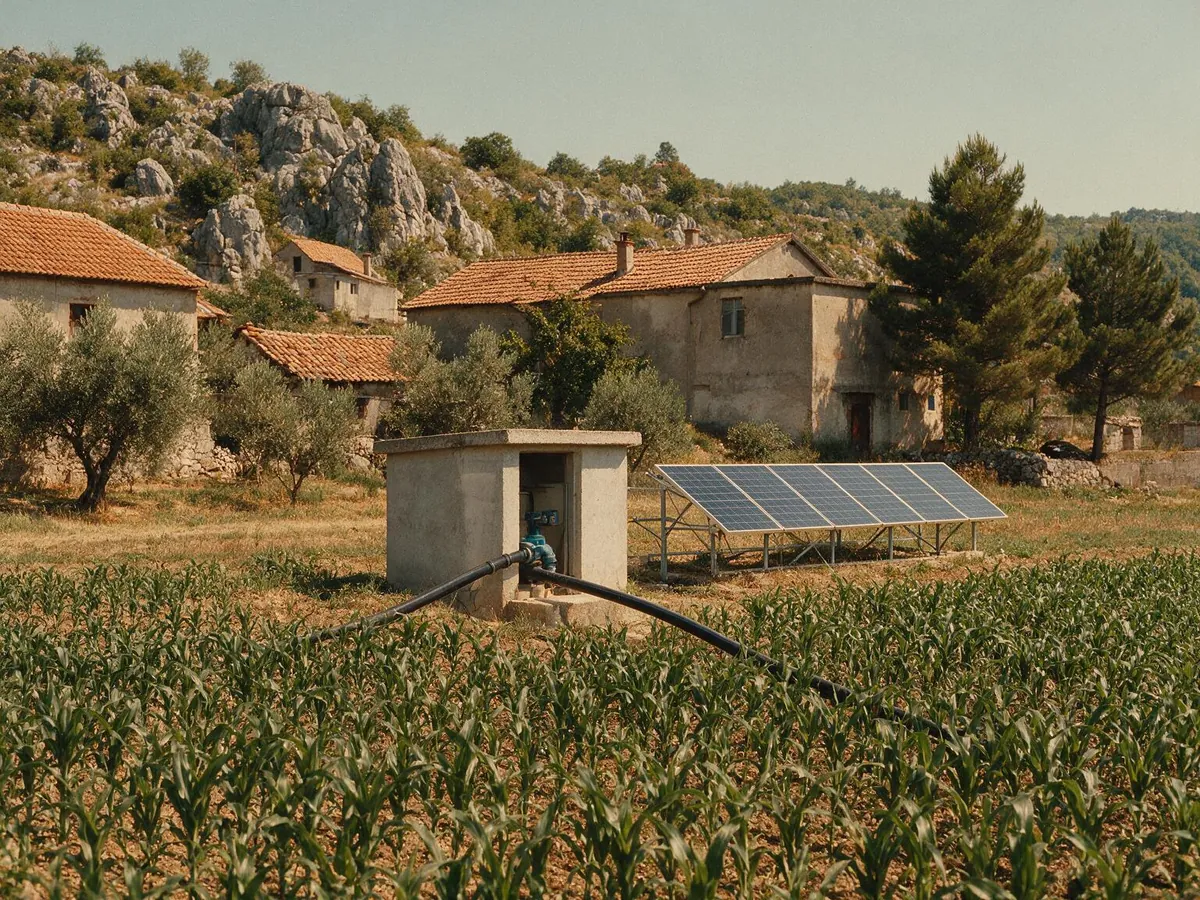
Water pumps and irrigation
A pump runs when it is sunny and dry — very nearly a perfect match to production.
Typical size: 5–60 kWp
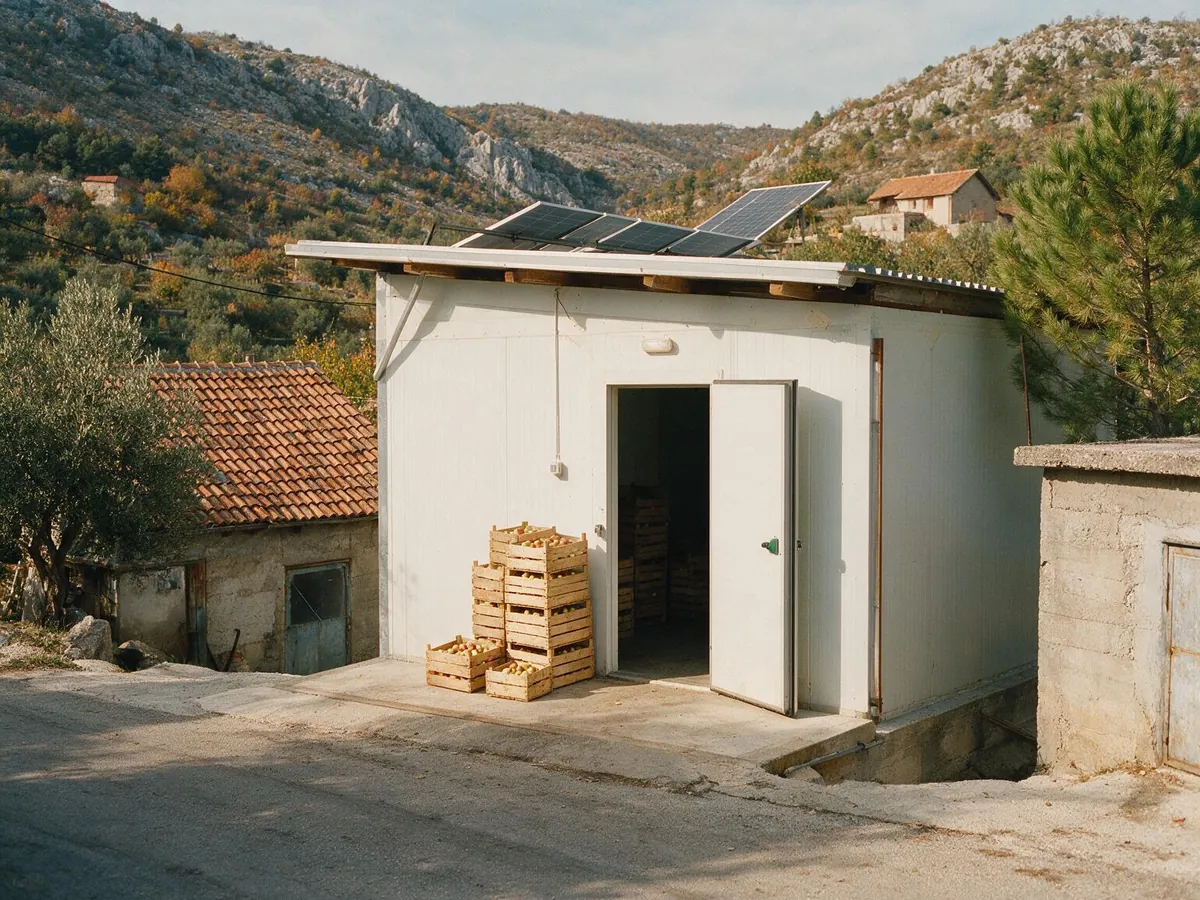
Cold storage and refrigeration
Refrigeration compressors work hardest when it is hottest — and it is hottest when the sun is strongest.
Typical size: 20–150 kWp
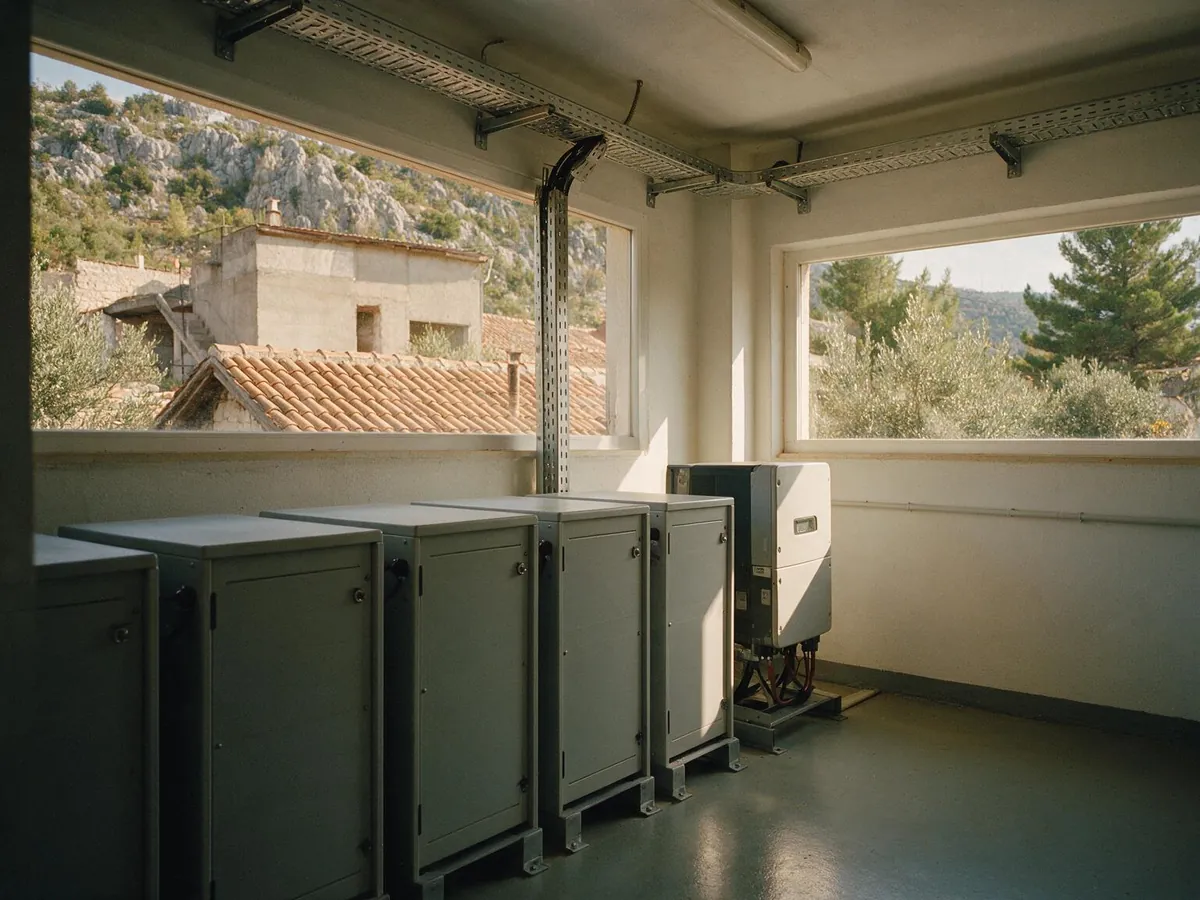
Battery and backup systems
When an outage costs more than the electricity, a battery is a different calculation.
Typical size: 10–100 kWp
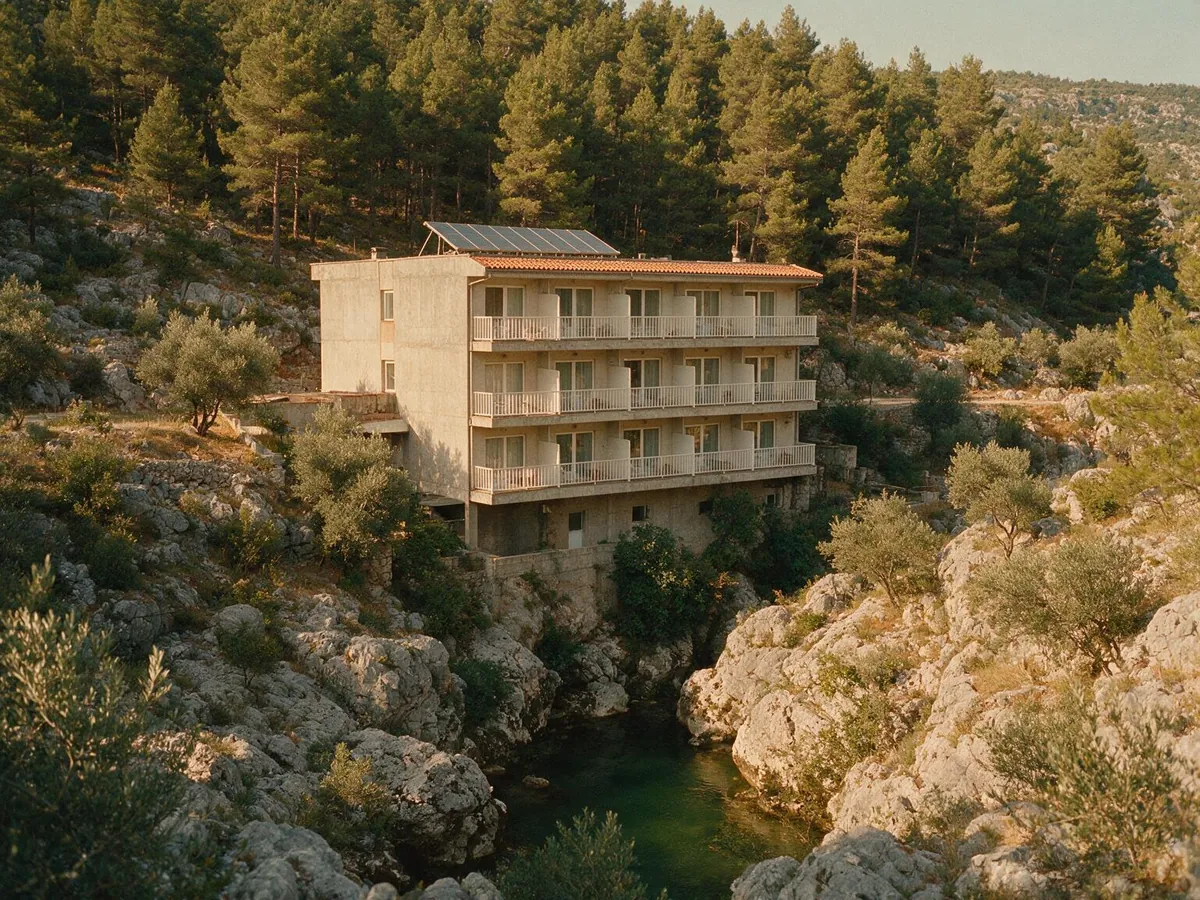
Hotels and apartments
Occupancy and sunshine peak at the same time of year.
Typical size: 15–100 kWp
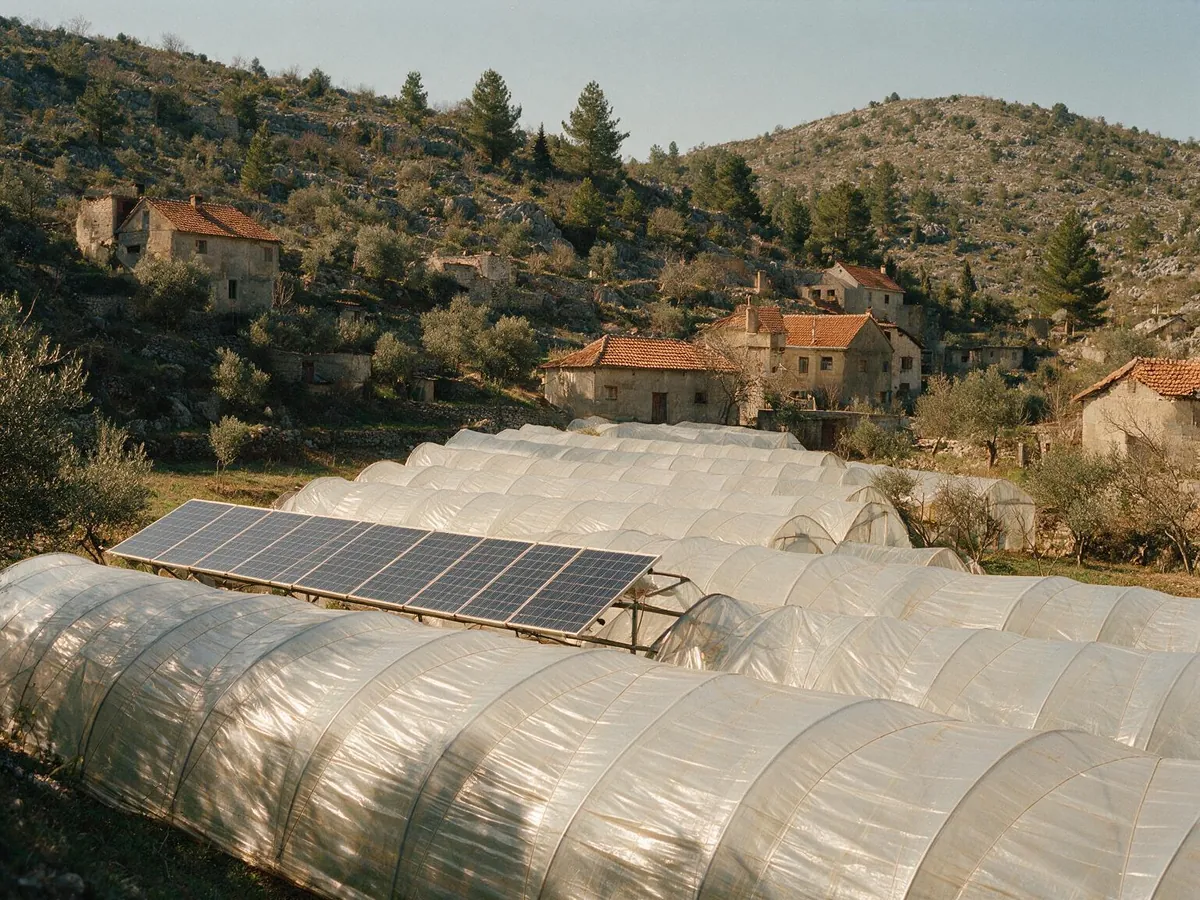
Greenhouses and polytunnels
Ventilation, screens and irrigation draw power exactly when the sun is beating down.
Typical size: 10–80 kWp
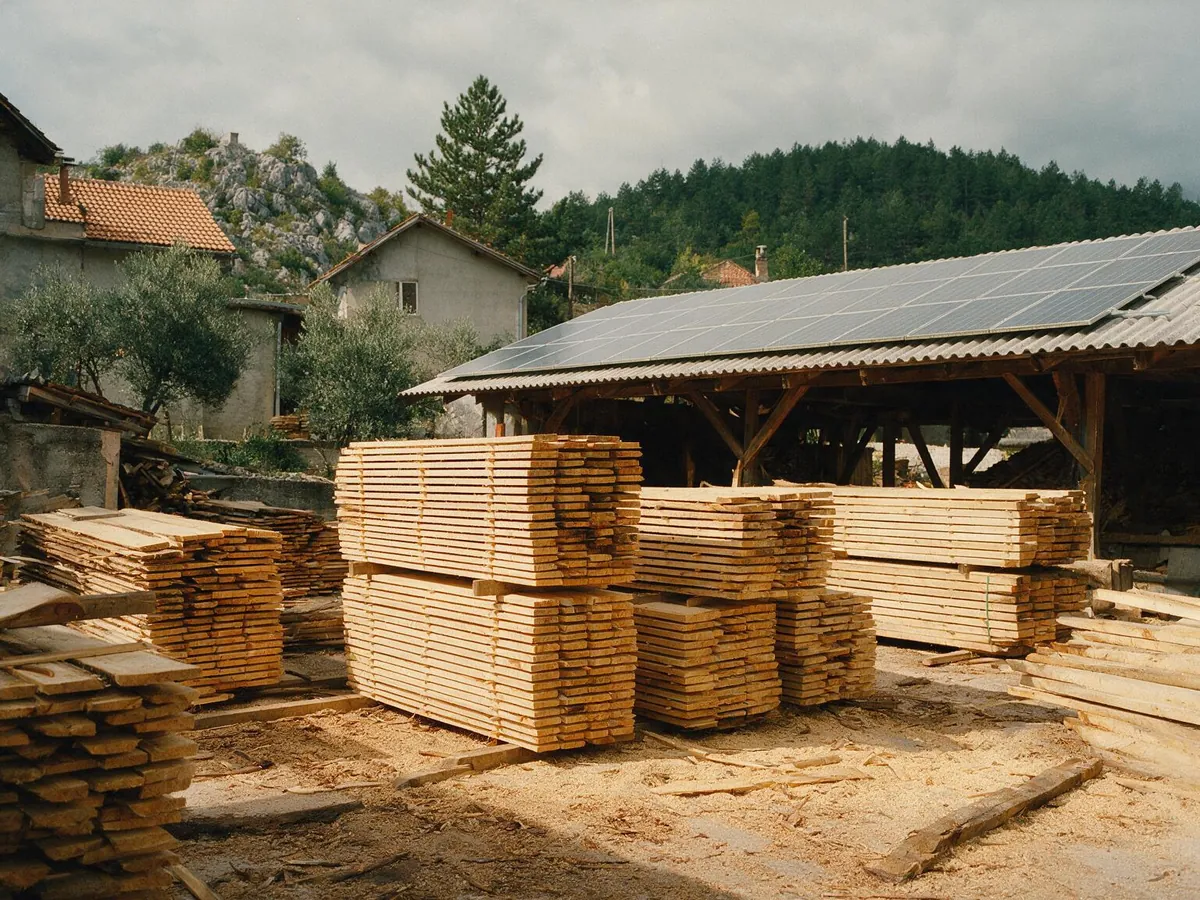
Sawmills and timber
A single day shift is one of the best load profiles solar can have.
Typical size: 30–250 kWp
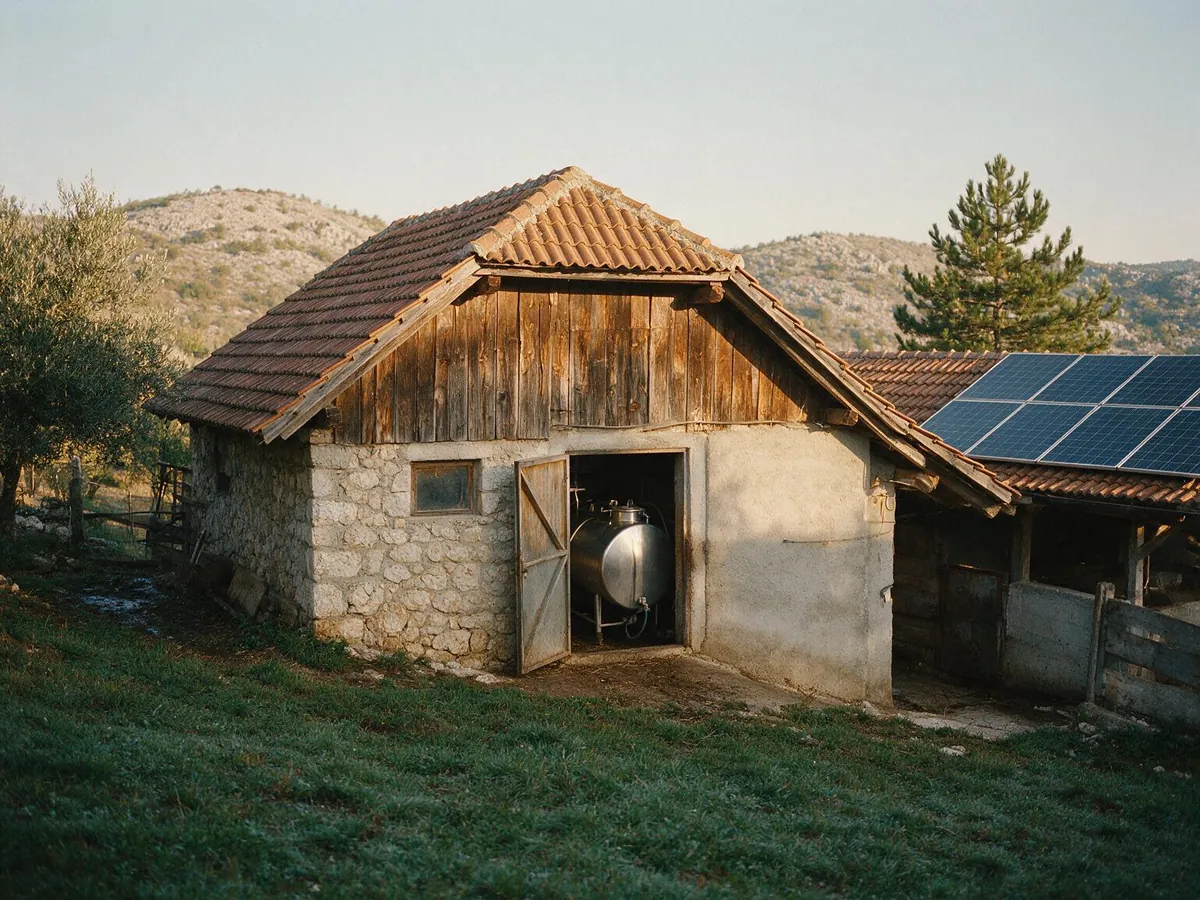
Dairies and farms
Milk cooling runs all day; milking happens twice.
Typical size: 15–120 kWp
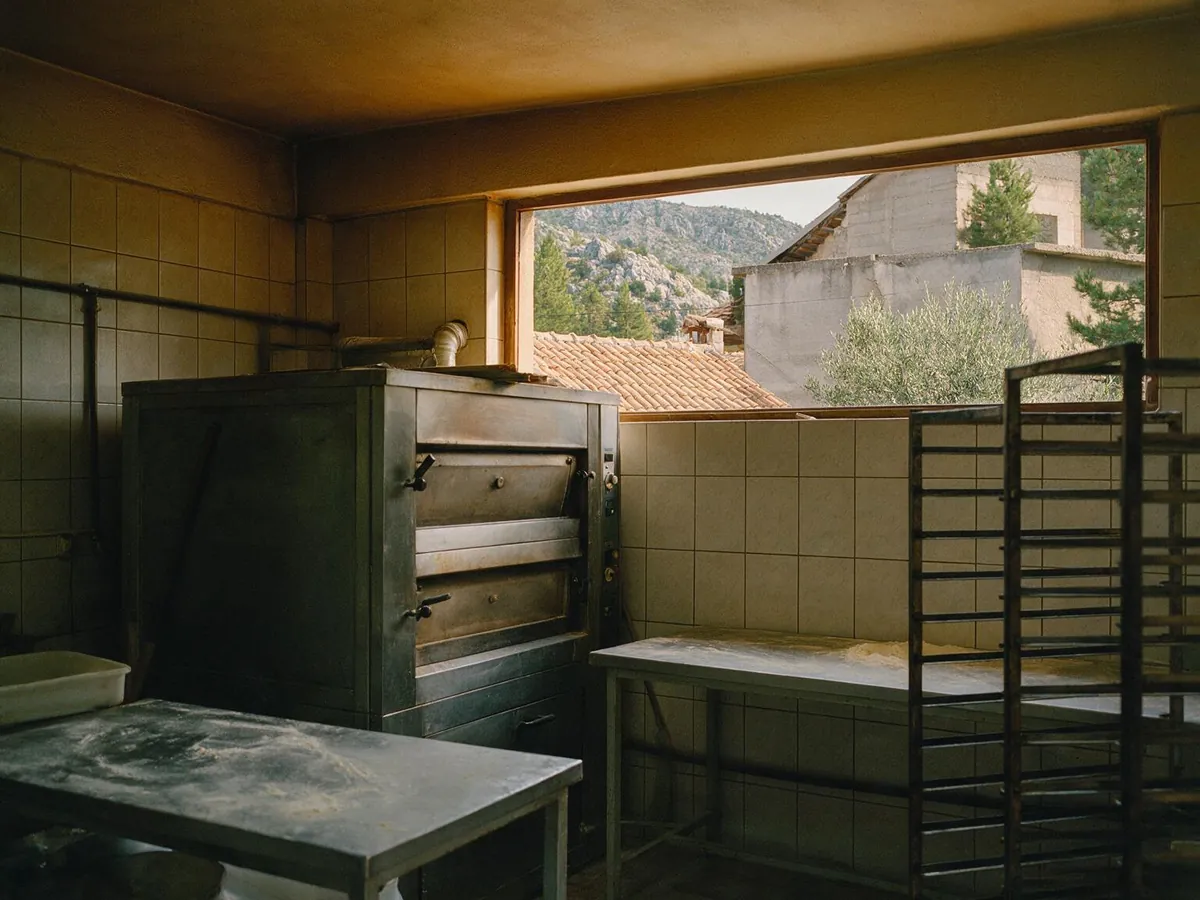
Bakeries
The biggest load is at night — and that should be said before a system is offered.
Typical size: 10–60 kWp
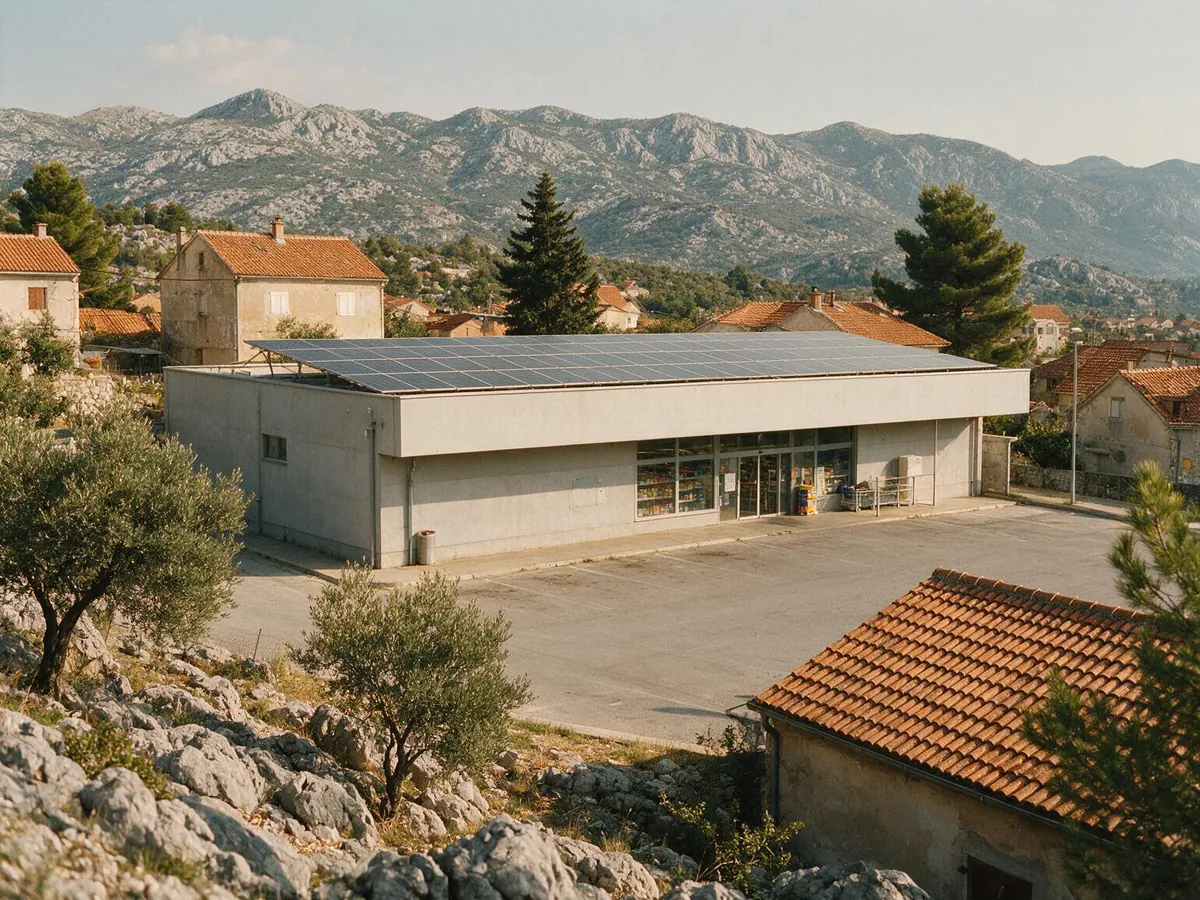
Retail and commercial premises
Opening hours line up with daylight, and the roof is usually empty and flat.
Typical size: 20–200 kWp
Why business is different
- Commercial tariffs often bill peak demand — solar cuts that too, not just consumption.
- Daytime load means high self-consumption, and self-consumption is the only part credited at the full price.
- Industrial roofs are large, flat and unshaded, so the cost per kW is lower than on a house.
- The investment is capitalised and depreciated, which changes the real after-tax cost.
Request a quote for your site
Describe the building and its load; the request goes to installers who do commercial work.